
10+ Signs You Need a New Roof
Your roof, like most parts of your home, won’t last forever…
Luckily, knowing when it’s time to replace your roof rather than simply repair it can save you thousands of dollars in emergency repairs.
Keep reading as we discuss signs that suggest you need a new roof, plus practical tips on how to prevent these issues in the future.
1. Your Roof Is Approaching (or Past) Its Expected Lifespan
One of the most obvious signs you need a new roof is simply age. If your asphalt shingle roof is approaching 20-25 years old, it’s likely nearing the end of its functional life, even if it still looks good from the ground.
Why Age Matters
As roofing materials age, they become less effective at protecting your home:
- Reduced flexibility: Older shingles become brittle and less able to expand and contract with temperature changes
- Deteriorated waterproofing: The oils in asphalt shingles evaporate over time, reducing their water-resistance
- Weakened seals: The sealant between shingles deteriorates, making them more susceptible to wind damage
- Diminished UV protection: The granules that protect against UV rays wear away
Average Roof Lifespan
- Asphalt shingles: 15-30 years (three-tab shingles on the lower end, architectural shingles on the higher end)
- Wood shingles or shakes: 20-40 years
- Metal roofing: 40-70 years
- Clay or concrete tiles: 50-100+ years
- Slate: 50-100+ years
- Built-up or modified bitumen: 15-25 years
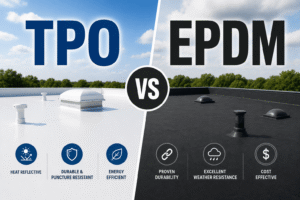
- EPDM (rubber): 10-25 years
- TPO (thermoplastic polyolefin): 15-30 years
How to Check Your Roof’s Age
If you’re not the original homeowner, you might not know when the roof was installed. Here are ways to determine its age:
- Check home improvement records or previous owner disclosures
- Look for permits pulled for roof work in county records
- Ask a roofing contractor to estimate its age based on its condition and materials
- Check for a warranty certificate in your home documentation
2. Curling or Buckling Shingles
One of the most visible signs you need a new roof is when your shingles begin to curl, buckle, or warp. This distortion happens in two primary ways:
Cupping
When the edges of the shingles turn upward, creating a cup-like appearance. This typically occurs due to:
- Excessive heat from poor attic ventilation
- Water absorption into the shingle backing
- Natural aging and weathering
Clawing
When the middle of the shingle bulges upward while the edges remain flat or curl downward. This often indicates:
- Advanced aging
- Excessive drying of the shingle material
- Potential manufacturing defects
Why Curled Shingles Are Problematic
Curled or buckled shingles create vulnerability in your roof’s defense system:
- They can be easily damaged or torn off by wind
- They create gaps where water can penetrate beneath the shingle layer
- They indicate that the protective properties of the shingles are compromised
- The same conditions causing the curling may be affecting the underlying roof structure
3. Missing, Cracked, or Broken Shingles
While a few missing shingles after a severe storm can often be replaced individually, widespread or recurring shingle damage is a significant sign you need a new roof.
Common Causes of Shingle Damage
- Wind damage: High winds can lift and remove shingles, especially if they’re already compromised by age or poor installation
- Impact damage: Hail or falling branches can crack or break shingles
- Foot traffic: Improper walking on the roof during maintenance or inspections
- Thermal splitting: Expansion and contraction due to temperature fluctuations, especially in older shingles
- Animal damage: Squirrels, raccoons, and other wildlife can damage roofing materials
When Damaged Shingles Indicate Replacement Instead of Repair
Consider full roof replacement when:
- The damaged shingles are scattered across most of the roof surface
- New shingles don’t match existing ones due to weathering or discontinued products
- The underlayment or decking beneath the shingles shows signs of damage
- You find yourself repeatedly repairing shingles every few months
- The cost of multiple repairs approaches 30% or more of a full replacement
4. Granule Loss From Asphalt Shingles
Asphalt shingles are coated with mineral granules that protect them from UV radiation and add fire resistance and color. Finding these granules in your gutters or at the bottom of downspouts can be a warning sign you need a new roof.
The Granule Loss Progression
- Normal initial shedding: New roofs often shed excess granules in the first few months—this is normal
- Mid-life minor loss: Some granule loss during the middle of a roof’s life is expected and not concerning
- End-of-life significant loss: Heavy granule loss revealing the black asphalt layer beneath is a clear sign of advanced wear
How to Identify Problematic Granule Loss
- Check gutters and downspouts after heavy rains
- Look for bald spots on shingles where the dark asphalt layer is visible
- Note shingles that appear different in color—often darker—than surrounding shingles
- Observe for inconsistent texture across the roof surface
5. Roof Sagging or Drooping
A sagging roofline is one of the most serious signs you need a new roof, as it suggests structural problems that go beyond the roofing materials themselves.
What Causes Roof Sagging
- Water damage: Long-term moisture exposure can rot roof decking or rafters
- Excessive weight: Multiple layers of roofing or heavy snow loads can exceed the roof’s weight capacity
- Structural deficiencies: Improper construction or undersized structural members
- Foundation settling: Changes in your home’s foundation can affect the roof structure
- Age-related deterioration: Over decades, wooden structural components can weaken
Where to Look for Sagging
- Examine the ridge line—it should be straight and level
- Look for dips or depressions in roof planes
- Check for curves or sagging along the edges
- View your roof from the street at different angles to spot irregularities
- Inside your attic, look for bent or cracked rafters or trusses
Why Sagging Requires Immediate Attention
Unlike some other warning signs you need a new roof that can wait a season, sagging indicates potential structural compromise that could lead to:
- Roof collapse under additional weight (like snow or heavy rain)
- Worsening structural damage as components continue to shift
- Inability to properly seal new roofing materials if the structure isn’t corrected
6. Water Damage in Your Attic or on Ceilings
Interior water damage is a clear sign your roof’s primary function—keeping water out—is compromised.
Regular inspections of your attic space (if accessible) can catch roofing problems before they manifest as visible ceiling damage in your living spaces.
What to Look for in Your Attic
- Light penetration: Visible daylight coming through the roof boards
- Water stains: Darkened areas on rafters, decking, or insulation
- Damp insulation: Compressed or discolored insulation
- Mold or mildew: Black, green, or gray growth on wood surfaces
- Wood rot: Soft, crumbly, or discolored wood in the roof structure
- Frost or ice buildup: In cold climates, this indicates heat leakage and potential moisture issues
Signs of Water Damage in Living Spaces
- Ceiling stains: Yellowish or brownish discoloration on ceilings
- Peeling paint or bubbling wallpaper: Often appears near exterior walls
- Damp spots: Areas of ceiling that appear wet after rain
- Water drips: Active leaking during rainstorms
- Mold growth: On ceilings or upper sections of walls
Tracking the Source
Not all interior water damage comes from roof leaks.
- Note if leaks appear during or shortly after rainfall
- Check if the damage is on top-floor ceilings or extends down walls
- Look for corresponding damaged areas in the attic directly above the interior damage
- Rule out plumbing leaks, condensation issues, or window leaks
7. Excessive Energy Bills
While perhaps not the most obvious sign you need a new roof, a sudden or steady increase in heating or cooling costs can indicate roof-related issues, particularly involving ventilation and insulation.
How Roof Issues Affect Energy Efficiency
- Poor ventilation: Inadequate airflow traps heat in summer and moisture in winter
- Damaged insulation: Wet insulation from roof leaks loses its effectiveness
- Thermal bridging: Gaps in roofing create pathways for heat transfer
- Air leakage: Breaks in the roof envelope allow conditioned air to escape
- Heat absorption: Damaged or dark roofing materials can absorb excessive heat
Energy Efficiency Improvements with a New Roof
Modern roofing systems can significantly improve energy efficiency through:
- Cool roof technology: Reflective materials that minimize heat absorption
- Integrated ventilation: Improved ridge and soffit vent systems
- Better underlayment: Advanced moisture barriers with insulating properties
- Proper installation: Techniques that minimize thermal bridging
- Compatible insulation: Systems designed to work with your specific roofing material
8. Moss, Algae, and Vegetation Growth
Understanding Different Growth Types
- Moss: Thick, green, fuzzy plant growth that typically appears in shaded areas
- Algae: Usually appears as black streaks and discoloration, common in humid climates
- Lichens: Crusty, root-like growths that are a combination of algae and fungus
- Vegetation: Actual plants with roots, including seedlings from nearby trees
How Organic Growth Damages Roofing
- Moisture retention: Plant life holds moisture against roofing materials
- Shingle degradation: Biological growth can feed on the organic materials in some shingles
- Root damage: More developed vegetation can extend roots under shingles
- Drainage obstruction: Thick growth can block water flow in valleys and gutters
- Granule loss acceleration: Biological activity can loosen protective granules
Is Cleaning Sufficient?
Sometimes, professional cleaning can address biological growth, but consider replacement when:
- The growth returns rapidly after cleaning
- You can see damage to the shingles underneath the growth
- The affected area is extensive and has been present for years
- There are other concurrent signs of roof deterioration
- The cost of proper cleaning and preventative treatments approaches that of partial replacement
9. Damaged or Rusted Flashing
Flashing—the metal pieces installed around chimneys, vents, skylights, and roof valleys—creates a water-tight seal at some of your roof’s most vulnerable points. When flashing fails, it’s a significant warning sign you need a new roof.
Common Flashing Problem Areas
- Chimney flashing: Where the roof meets masonry
- Valley flashing: Where two roof slopes meet
- Vent pipe flashing: Around plumbing vents
- Skylight flashing: Around the perimeter of skylights
- Step flashing: Where the roof meets a wall
- Drip edge flashing: Along roof edges and eaves
Signs of Flashing Failure
- Visible rust or corrosion: Orange-brown discoloration and deterioration
- Bent or damaged sections: Flashing pulled away from the roof surface
- Missing pieces: Flashing that has blown off or been removed
- Improper installation: Exposed nail heads, inadequate overlap, or improper sealing
- Dried or cracked sealant: Failed caulking around flashing joints
When Flashing Issues Indicate Need for Full Replacement
While isolated flashing problems can sometimes be repaired, consider roof replacement when:
- Multiple flashing areas are failing simultaneously
- The surrounding roofing material is also damaged
- Repairing the flashing would require removing large sections of roofing
- The flashing style is outdated or incompatible with modern materials
- The cost of comprehensive flashing replacement approaches 15-20% of a new roof
Modern roof installations often use more durable flashing systems with improved materials and installation techniques, making this a valuable upgrade during roof replacement.
10. Persistent Ice Dams in Winter
For homes in colder climates, recurring ice dams—ridges of ice that form at the roof edge and prevent melting snow from draining—can be a significant sign you need a new roof, particularly if they persist despite attempts to address them.
Why Ice Dams Form
Ice dams typically develop when:
- Heat escapes through the roof, melting snow from underneath
- The melted water flows down to the colder eave area and refreezes
- This cycle continues, building up a dam of ice that blocks proper drainage
- Water backs up behind the dam and finds its way under shingles
Damage Caused by Ice Dams
- Shingle damage: Water forced under shingles breaks their water-tight seal
- Fascia and soffit rot: Prolonged contact with ice damages wood components
- Gutter damage: The weight of ice can pull gutters away from the house
- Interior water damage: Backed-up water leaks into the attic and walls
- Insulation compression: Wet insulation loses its effectiveness
When Ice Dams Indicate Roof Replacement Need
Consider replacing your roof if:
- Ice dams have caused extensive shingle damage across large areas
- Attempts to improve insulation and ventilation haven’t resolved the issue
- Water infiltration has damaged the roof decking
- The existing roof design doesn’t include adequate ice and water shield protection
- Multiple roofing layers prevent proper installation of ice dam prevention measures
11. Excessive Shingle Debris in Gutters
Finding significant shingle material in your gutters goes beyond normal granule loss and can be a clear warning sign you need a new roof.
Types of Shingle Debris to Watch For
- Shingle tabs or pieces: Actual fragments of the shingles themselves
- Large amounts of granules: Beyond normal shedding
- Pieces of underlayment: Felt or synthetic material from beneath the shingles
- Roofing cement or sealant fragments: Indicating deteriorating seals
What Causes Excessive Debris
- Wind damage: High winds lifting and breaking shingles
- Severe weathering: Advanced deterioration from sun exposure
- Material failure: Manufacturing defects becoming apparent
- Multiple roof layers: Older layers breaking down underneath newer ones
- Poor installation: Improper nailing or sealing failing over time
Assessing the Severity
The presence of shingle debris in gutters should be evaluated based on:
- Quantity: Occasional small amounts may be normal, especially after storms
- Frequency: Finding new debris after every rain is concerning
- Distribution: Debris from multiple roof areas suggests widespread issues
- Progression: Increasing amounts over time indicate acceleration of deterioration
12. Visible Shingle Blistering or Cracking
Distinct patterns of deterioration on your shingles’ surface can be some of the most definitive signs you need a new roof, particularly when these patterns appear across large sections.
Identifying Blistering vs. Cracking
- Blistering: Raised, bubble-like protrusions on the shingle surface, often later rupturing to expose the mat beneath
- Cracking: Linear splits in the shingle material, which can be random or in patterns
- Splitting: Cracks that run vertically between shingles
- Thermal cracking: Horizontal cracks across shingles due to temperature fluctuations
Common Causes of Surface Deterioration
- Excessive heat: Poor ventilation trapping heat in the attic
- Manufacturing defects: Improper mixing of asphalt or insufficient waterproofing
- Substandard materials: Low-quality shingles with shorter lifespans
- Improper installation: Incorrect nailing or over-driving fasteners
- Severe weather exposure: Extreme temperature swings, high UV exposure
When Surface Issues Warrant Replacement
- The blistering or cracking affects more than 30% of the roof surface
- Problems appear on multiple roof slopes or exposures
- The issues have progressed to the point of compromising waterproofing
- Shingles feel brittle or inflexible when gently lifted
- The pattern of deterioration suggests an underlying systematic issue
Have You Noticed any of the Warning Signs Mentioned in this Article?
For over 40 years, Hulsey Roofing Co. has been the trusted roofing partner for homeowners throughout the region. Our A+ BBB rating and hundreds of 5-star reviews speak to our commitment to quality and customer satisfaction.
- Free professional roof inspections to identify problems before they worsen
- Honest assessments about whether repair or replacement is most cost-effective
- Premium roofing materials with industry-leading warranties
- Expert installation by fully trained and certified roofers
- Financing options to make roof replacement affordable